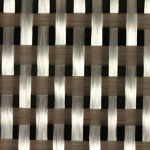
Plain Weave
A well-balanced fabric with excellent stability and good porosity. This weave does not drape well, and because the weft and warp have many interactions, strength is lower. This weave gives the cleanest edges when cut. It is the thickest of our common weaves. Because of the crimp, the surface is wavy. Because of many tight spots, wet-out is slower. When heavy yarns (e.g. roving) are used, we weave a basket pattern, which is a plain weave with 2 strands instead of one in both directions. This reduces crimp and improves strength and wet-out. If a fabric of a certain weight is required, and high stability is demanded, consider a tighter weave with thinner strands.

Twill Weave
Twill weave is recognized by a distinct diagonal pattern. Twill comes in different configurations. E.g. the photo is a 1 x3 , meaning each warp end and weft end goes over 1 and under 3 ends. Wet out and drape are better than plain weave, but stability is lower especially in higher twills. Crimp is reduced resulting in a smoother thinner fabric with improved strength. When drape or strength is required, consider twill.

Mock Leno
We weave this pattern for applications that require thickness, while maintaining permeability for good wet-out. The fabrics are usually much heavier than the other weaves and have a wavy surface. They have good strength but do not have good drape. When thickness is important consider Mock Leno.

Uni-directional
Uni-directional fabrics have most yarn running in one direction. These are fabrics where the strength demand is in one direction only. Most uni-directional fabrics have low stability. Stability can be improved by inserting hot melt strands in the weft, or weave the warp end in leno motion (we call this a leno weave). Both will stabilize the fabric, but it will never be as good as one of the other fabrics. Stability does improve with a tighter weave.

Hopsack/Basket Weave
It is very similar to a plain weave, but there are 2 strands of roving in both the warp and the weft. This results in a flatter product with fewer, smaller gaps in the fabric. The fabric looks more uniform than with a plain weave. Hopsack weaves also have higher strength in both directions, as there are fewer crossovers between warp and weft.

Discover the Right Fabric for Your Project
Our Products
Georgian Bay Fabrics offers a complete range of high-performance reinforcement fabrics designed to meet the toughest demands of composite and industrial applications. Our selection includes precision-woven fabrics, uni-directional materials, and specialty weaves, all engineered to deliver maximum strength, consistent fiber distribution, and reliable performance. Whether you’re building structural components, industrial equipment, or specialty projects, our fabrics provide the quality, durability, and performance your work requires.
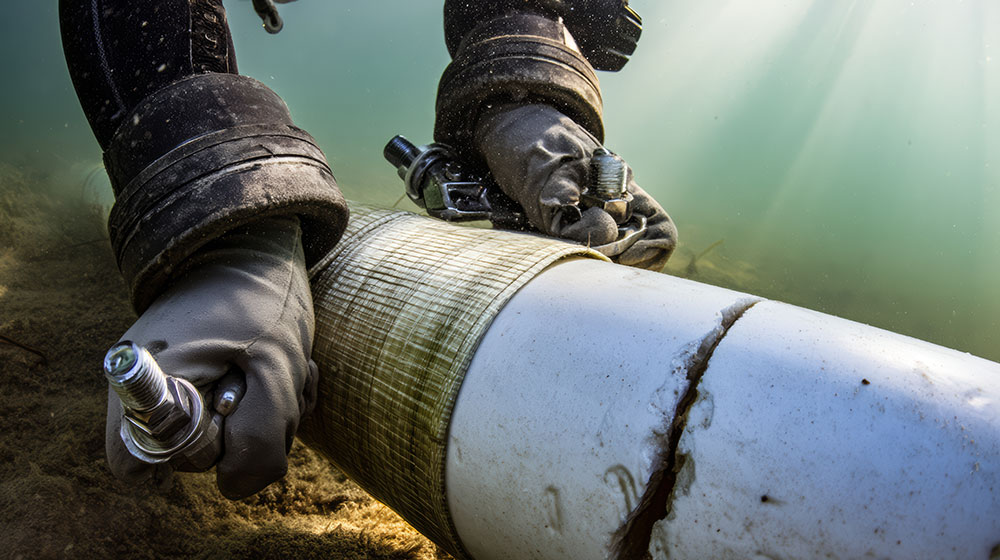
Chemical & Petroleum
High-performance fabrics for demanding environments, including gas station fuel tanks, corrosion repair of pipes, and underwater pipeline repairs.
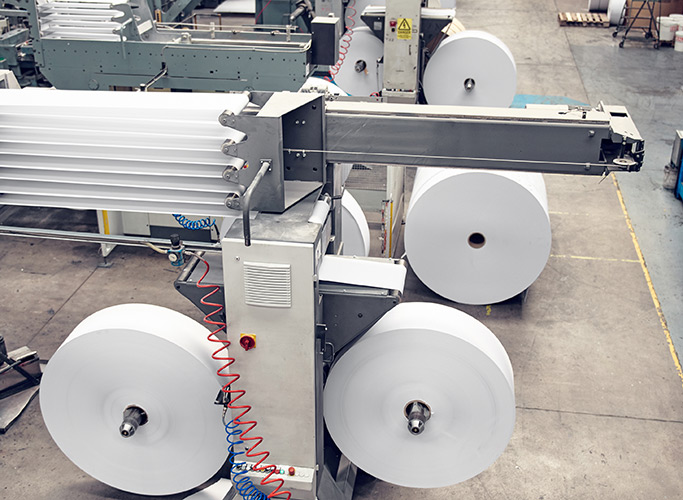
Industrial
Engineered materials for machinery, filtration, and structural uses where performance and consistency are key.
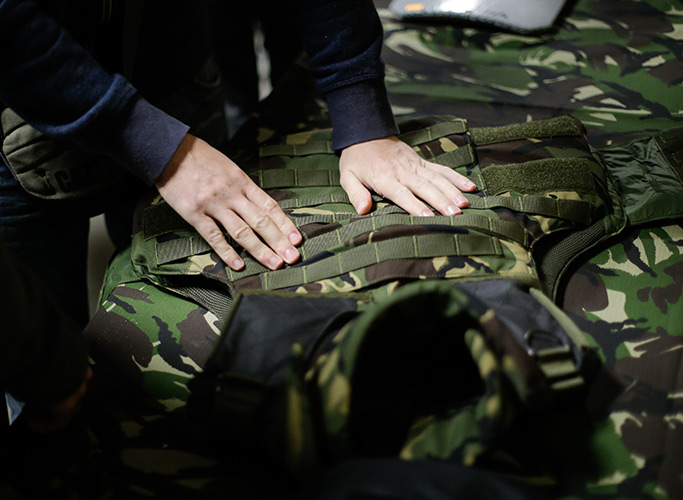
Defence
High-strength, reliable fabrics suitable for protective, tactical, and specialized military applications.
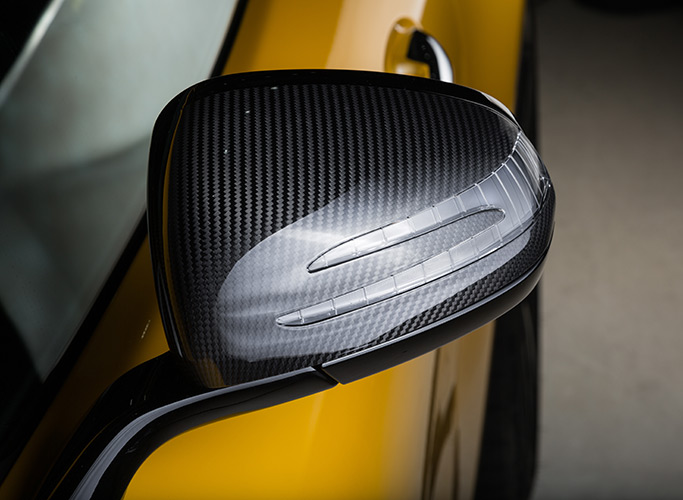
Automotive
Materials optimized for lightweight composites, high durability, and precision performance in vehicle components.
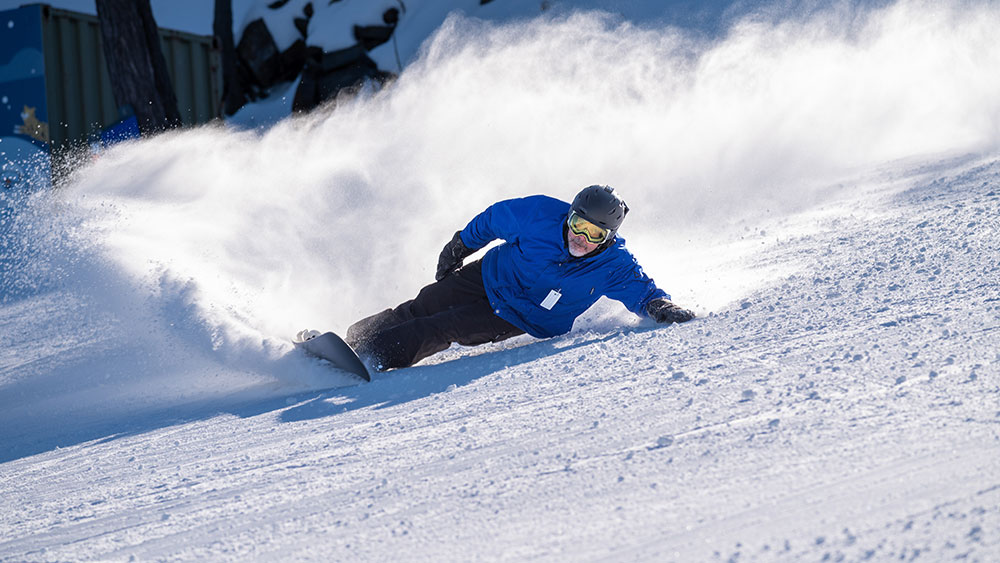
Sporting Goods
Fabrics engineered for high-performance sporting equipment, including surfboards, snowboards, hockey sticks, and canoes.


